Avoid hidden charges for Kingston rubbish removal jobs
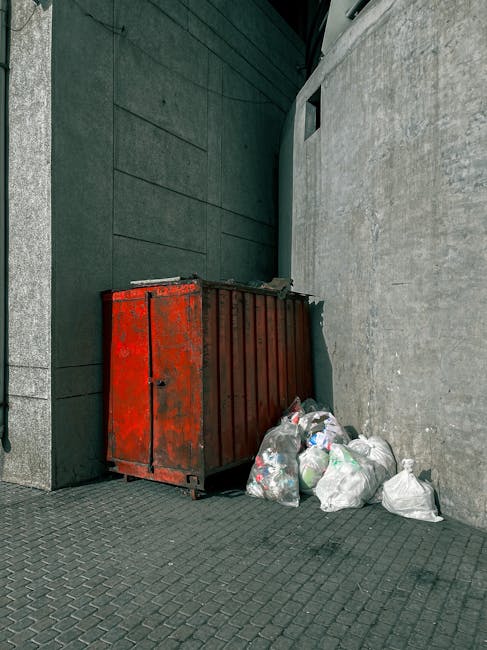
If you have ever booked a rubbish clearance and then watched the final bill creep up, you will know how frustrating it feels. The job starts as a simple tidy-up, then suddenly there are extra labour fees, parking add-ons, weight surcharges, or a vague "access issue" charge that nobody mentioned earlier. This guide shows you how to avoid hidden charges for Kingston rubbish removal jobs, what to ask before you book, and how to compare quotes without getting caught out. A bit of care at the start saves money later. Simple, really - though, to be fair, the small print is where many people get tripped up.
Whether you are clearing a flat, a house, an office, or a pile of renovation waste after a busy weekend, the same rules apply: get clarity on scope, load size, access, disposal type, and payment terms before anyone lifts a single bag. The sections below break all of that down in plain English, with practical examples and a checklist you can actually use.
Why Avoid hidden charges for Kingston rubbish removal jobs Matters
Hidden charges are not just an irritation. They can completely change whether a rubbish removal job feels good value or ends up expensive and stressful. In Kingston, where parking can be awkward, access can be tight, and properties range from basement flats to larger family homes, pricing needs to reflect the real job - not a rough guess that gets "adjusted later".
When people search for rubbish removal, they usually want two things: speed and certainty. They want the waste gone, and they want to know what it will cost. If a quote looks cheap but leaves out disposal fees, congestion or parking, stair carries, fuel, or specialist handling, the final invoice can be a nasty surprise. You do not need that. Nobody does.
This matters even more if you are booking on behalf of a business, landlord, letting agent, contractor, or family member. Once the work has started, you may feel pressured to accept the extra cost just to avoid delays. That pressure is exactly why clear pricing, written scope, and honest communication matter so much.
Expert summary: the best way to avoid hidden charges is not to chase the lowest headline price. It is to compare quotes that describe the same job in the same way, with the same assumptions, so you can see what is actually included.
How Avoid hidden charges for Kingston rubbish removal jobs Works
Most hidden charges appear when the original quote leaves room for interpretation. That can happen with any provider, especially if they price from a photo or a brief phone call and do not ask enough questions. The job seems straightforward at first, but then the crew arrives and finds extra bags, heavy items, restricted access, or waste that needs separate handling.
A good rubbish removal quote should usually account for the basics: what needs removing, where it is located, how much there is, how easy it is to reach, and whether any items need special disposal. If the quote is based on these details, it is much less likely to balloon later.
Here is how charge creep typically happens in the real world:
- The customer describes "a few bits" but the load turns out to fill much more than expected.
- Photos do not show the full volume, so the initial estimate is too low.
- The property has no lift, narrow stairs, or limited vehicle access.
- Items are heavier than expected, such as wet garden waste, old sofas, or appliances.
- Some waste needs separate treatment, for example certain electricals or hazardous materials.
- Parking or waiting time has not been discussed in advance.
Not all extra costs are unreasonable. Sometimes the job genuinely changes once the team arrives. The point is that the change should be explained clearly, before work continues. That is fair pricing. Hidden charges are different. They are the ones nobody could have reasonably predicted from the quote, or the ones that were not disclosed well enough.
If you are comparing different providers, a useful habit is to ask each one the same questions and note the answers in writing. It feels a bit old-school, but it works.
Key Benefits and Practical Advantages
Transparent pricing does more than protect your wallet. It makes the whole removal process smoother and less stressful. When everyone knows what is included, the job tends to move faster because there is less back-and-forth at the door.
Here are the main advantages of choosing a clear, upfront pricing approach:
- Better budgeting: you can plan around a real figure rather than a guess.
- Fewer disputes: clear scope reduces awkward conversations after the job.
- Faster decisions: you can compare like for like and book with confidence.
- Less disruption: the team can work without stopping to renegotiate halfway through.
- More trust: a provider that explains costs properly often explains the job properly too.
There is also a practical benefit that people often miss: transparent quotes help you sort waste correctly before collection day. If you know what is included, you are less likely to pile extra items beside the load and assume they will "probably take it". That little assumption is where a lot of budget creep begins.
For larger or repeated jobs, clarity on pricing becomes even more valuable. If you are arranging business waste removal, for example, you usually need predictable costs, tidy invoicing, and a service that does not create friction with your own customers or staff.
Who This Is For and When It Makes Sense
This topic matters to almost anyone arranging clearance, but some people feel the risk more sharply than others. If any of the following sounds familiar, you are in the right place.
- Homeowners clearing out lofts, garages, sheds, or spare rooms.
- Tenants or landlords dealing with end-of-tenancy rubbish.
- Letting agents managing a same-day or short-notice clearance.
- Offices getting rid of old desks, filing cabinets, or general clutter.
- Builders and tradespeople with leftover rubble or packaging.
- People clearing bulky furniture from a flat with stairs and no lift.
It also makes sense if you have awkward items. Sofas, mattresses, fridges, appliances, and mixed loads can all affect pricing depending on handling and disposal requirements. A quote for standard household bags may not cover that sort of thing. For furniture-specific jobs, pages like mattress and sofa disposal and furniture disposal can be useful starting points when you are trying to understand what kind of service you actually need.
Truth be told, if your job involves mixed waste, bulky items, or anything remotely awkward to carry, you should assume the quote needs more detail than a quick text message. That is just common sense.
Step-by-Step Guidance
Use the following process to reduce the chance of hidden charges. It is not complicated, but it does require a little discipline.
1. Describe the job properly
List everything that needs to go. Do not just say "a bit of rubbish" or "some old stuff". Say whether it is bagged waste, furniture, garden waste, builder's debris, appliances, or a mix. The more precise you are, the more accurate the quote will be.
2. Share clear photos from several angles
One snapshot rarely tells the whole story. Include wide shots, close-ups, and, if relevant, stairs or access points. A hallway that looks roomy in one picture can feel very different when somebody is carrying a wardrobe down it.
3. Ask what is included in the price
Before booking, ask whether the price includes labour, loading time, disposal fees, VAT where applicable, and any minimum charge. Also ask about parking, congestion, or waiting time if those might apply. Don't assume. Ask.
4. Check whether the waste type affects the rate
Some materials need different handling. Builders' rubble, appliances, and potentially hazardous items may be treated differently from general household waste. If you are unsure, ask for clarification. If you need builder-focused clearance, the builders waste clearance page is a sensible reference point.
5. Confirm the booking terms in writing
A written confirmation should set out the agreed scope and any conditions. This is where it becomes much easier to challenge a surprise charge if something looks off later.
6. Do a quick pre-collection tidy
Separate the items being removed from anything staying. If the crew has to sort through a mixed pile on arrival, the job takes longer and the risk of extra cost rises. Even ten minutes of prep can make a difference.
7. Review the final invoice immediately
If the final amount differs from the quote, ask for a plain explanation straight away. Be calm but firm. A legitimate additional charge should be clear, specific, and tied to something that actually changed.
Expert Tips for Better Results
Here are the little things that tend to save money and hassle. The boring stuff, basically - but the boring stuff is often what keeps the bill honest.
- Use volume estimates carefully: a "van load" can mean different things unless the provider defines it properly.
- Be honest about stairs and access: it helps the team plan and prevents awkward surprises.
- Mention heavy or awkward items early: old appliances, wet materials, and broken furniture can change the job.
- Ask about sorting: if recycling or separation is needed, it can affect labour and timing.
- Keep a copy of messages: text and email confirmations are useful if anything is disputed later.
- Choose clarity over speed: booking the first available slot is tempting, but not if the quote is fuzzy.
One small but useful habit: read a quote as if you were the person writing it. If it does not clearly explain what happens when the load is bigger than expected, something is missing.
And if the provider seems reluctant to answer simple questions about pricing? That is a signal in itself.
Common Mistakes to Avoid
Most bad pricing experiences are avoidable. They tend to come from assumptions rather than bad luck.
- Choosing the cheapest headline price: the lowest number is not always the best value.
- Using vague descriptions: "household rubbish" may be too broad for an accurate quote.
- Ignoring access issues: stairs, parking, distance from the vehicle, and lift access all matter.
- Forgetting special items: fridges, mattresses, sofas, and certain materials may need separate handling.
- Not asking about minimum charges: small jobs can sometimes be priced differently from larger ones.
- Assuming all quotes are equal: some include disposal, some do not. A small difference on paper can mean a large difference later.
Another easy mistake is leaving extra bags "just in case" and expecting them to be absorbed into the original quote. Maybe they will be. Maybe not. But if they are not discussed, that is where friction starts.
Tools, Resources and Recommendations
You do not need specialised software to avoid hidden charges. A few simple tools and habits are enough.
- Phone camera: take clear photos of the waste and access route.
- Notes app: record what was quoted and what questions were answered.
- Measuring tape: useful for bulky items or tight access points.
- Basic checklist: keep a short list of items to remove so nothing gets overlooked.
- Payment confirmation: keep a record of what was paid, when, and by what method.
If you want to understand what can and cannot be included in a load, the page on what can go in a skip is helpful as a general reference, even if your chosen service is not skip-based. The principles around waste type and separation are often similar.
For customers who prefer to manage everything online, a clear booking journey and payment information can also reduce stress. Pages such as payment and security and pricing and quotes are especially useful when you are comparing providers and want to see how transparent they are before you commit.
Law, Compliance, Standards, or Best Practice
When rubbish removal is involved, pricing is only part of the picture. Responsible operators also need to handle waste properly, protect people on site, and follow accepted UK waste-handling practice. You do not need to memorise every regulation, but it helps to know the broad shape of things.
In practical terms, a reputable provider should be able to explain how they handle general waste, bulky waste, electrical items, and anything that may need special treatment. They should also take care around access, lifting, and safe loading. If a job looks risky, rushed, or under-described, that can lead to both pricing problems and safety issues. Not ideal.
If you are arranging clearance for a workplace, the standards should feel even tighter. Good paperwork, clear scope, and proper handling matter because the job may involve confidential material, customer areas, or staff safety. For that sort of work, pages like office clearance and confidential shredding may be relevant depending on what needs removing.
There is also a best-practice angle around insurance and safety. If a provider is trustworthy, they should be comfortable explaining how they work safely and what happens if access is awkward or the load is heavier than expected. A calm, sensible answer is a good sign. A rushed shrug is not.
For more about how a provider approaches safe work, insurance and safety and health and safety policy are worth reading if you want extra reassurance before booking.
Options, Methods, or Comparison Table
Different removal methods suit different situations. The cheapest-looking option is not always the smartest one for the job in front of you.
| Option | Best for | Pricing transparency | Common risk |
|---|---|---|---|
| Man-and-van rubbish removal | Small to medium mixed loads | Good if scope is clearly described | Over- or under-estimating volume |
| Bulky item collection | Sofas, beds, white goods | Often clear if each item is listed | Extra charge for stairs or difficult access |
| Full property clearance | House, flat, loft, or garage clear-outs | Varies a lot by detail provided | Surprise volume or leftover items |
| Builders waste clearance | Renovation debris, rubble, offcuts | Can be clear when materials are identified | Mixed waste or heavier-than-expected loads |
| Specialist disposal | Appliances or unusual materials | Usually needs more explanation | Separate handling fees if not disclosed |
If your job involves a flat, you may want to look at flat clearance for a better sense of how access and stair carries can affect the quote. For larger homes, house clearance or home clearance may be more relevant depending on the scope.
Case Study or Real-World Example
Imagine a family in Kingston clearing a spare room before a move. The first quote looks attractive: a tidy sum for "general household rubbish". The room, however, also contains an old wardrobe, a broken chest of drawers, three sacks of mixed clutter, a mattress, and a small appliance tucked behind the door.
At that point, the price can change if those details were not shared in advance. The safer approach would have been to list the furniture, mention the mattress, and send photos of the room, the stairwell, and the outside access. With that information, the provider can decide whether the job is a small clearance, a bulky item job, or something closer to a full room empty-out.
That tiny bit of extra effort at the start often prevents the "oh, that wasn't in the quote" conversation later. And let's face it, nobody enjoys that conversation. Not the customer, not the crew, not the person trying to eat dinner while the van is still outside.
The same logic applies to garden or garage jobs. What looks like "a few bags and some broken bits" can turn into a much bigger job once hidden piles are moved. If you know that in advance, you can ask for a more accurate quote and avoid the awkward midpoint renegotiation.
Practical Checklist
Use this checklist before confirming any rubbish removal booking in Kingston.
- Have I listed every item or waste type that needs removing?
- Have I shared clear photos from more than one angle?
- Have I mentioned stairs, narrow access, or parking restrictions?
- Do I know whether labour, disposal, and VAT are included?
- Have I asked about minimum charges or extra fees for heavy items?
- Do I understand what happens if the load is bigger than expected?
- Have I checked the booking terms and kept a copy?
- Do I know whether the waste includes anything special or separate?
- Have I compared at least two quotes on the same basis?
- Am I comfortable that the price feels clear, not vague?
Quick rule of thumb: if you cannot explain the quote in one sentence, the pricing probably needs more detail.
Conclusion
Avoiding hidden charges for Kingston rubbish removal jobs is mostly about clarity. Clear descriptions, honest photos, written terms, and a sensible comparison of quotes will protect you from most pricing surprises. It is not about being suspicious of every provider. It is about making sure the job is priced on facts, not guesses.
When you ask the right questions up front, you are more likely to get a straightforward service, a fair final bill, and a much calmer collection day. That matters whether you are clearing a single sofa, a messy garage, or a full property. Small details make a big difference, honestly.
If you are ready to book and want to keep things simple, start by reviewing the provider's pricing and service information, then make sure the job scope is fully understood before collection day.
Get a free quote today and see how much you can save.
Frequently Asked Questions
What are hidden charges in rubbish removal?
Hidden charges are extra costs that were not clearly explained at the time of booking. They might include labour add-ons, access fees, parking costs, heavy-item charges, or disposal surcharges. The problem is not extra costs themselves - it is when they appear without proper warning.
How can I avoid surprise fees on a Kingston rubbish removal job?
Give a full description of the waste, send clear photos, mention access issues, and ask exactly what is included in the quote. Keep the reply in writing if you can. That simple step removes a lot of uncertainty.
Is the cheapest quote usually the best option?
Not always. A low headline price can look attractive, but if it leaves out labour, disposal, or access-related costs, the final bill may be higher than a clearer quote from the start. Compare like for like rather than chasing the lowest number.
Should I mention stairs and parking before booking?
Yes. Stairs, limited parking, long carrying distances, and awkward access can all affect pricing and timing. If you mention them early, the quote is more likely to be accurate.
Do all rubbish removal companies charge the same way?
No. Some quote by volume, some by item, and some by load type. That is why it helps to ask how the price is built and what happens if the load turns out bigger than expected.
Can bulky items cost more to remove?
Yes, especially if they are heavy, awkward to move, or need special handling. Sofas, mattresses, appliances, and similar items often require a different pricing approach from bagged rubbish.
What should be included in a clear quote?
A good quote should explain the waste type, the amount being removed, what labour is included, whether disposal is covered, and any likely extra costs. If something important is missing, ask before confirming.
Why do photos help with pricing?
Photos help the provider see volume, item type, and access conditions. One photo is not always enough, but a set of wide and close shots usually gives a much better picture of the job.
What if the crew says the job is bigger than expected?
Ask them to explain why, and check whether the extra amount relates to a real change in the job. If the original description was incomplete, some adjustment may be fair. If not, ask for a clear breakdown before agreeing.
Are writing and message confirmations worth keeping?
Absolutely. They give you a record of what was agreed, which is useful if the final bill differs from the original quote. A saved message can solve a surprisingly awkward disagreement.
Does waste type affect the price?
It often does. General household waste, garden waste, builders' debris, appliances, and confidential or hazardous materials may all need different handling. Be specific about what you have so the quote reflects the job properly.
Where can I learn more before booking?
If you are comparing providers, pages about pricing and quotes, recycling and sustainability, and the relevant service pages can help you understand how the job should be scoped. The main thing is to ask good questions and trust the clarity of the answers.